Tuesday, 21 July 2015

BASIC ANATOMY OF EYEBALL :

Cornea

The cornea is the clear window to the eye.  It is at the front of the eye just in front of the coloured part of the eye, the iris.  It has no blood vessels in it, and normally is completely transparent.  When it is scarred or infected, it may appear white in some areas.  When a person gets a "scratch" to the eye or a corneal abrasion, the superficial layer of the cornea is torn off.  This can be very painful but heals quickly with the proper treatment.  People who have permanent corneal scarring may be candidates for a corneal transplant.  When people wear contact lenses, these lenses sit on top of the cornea.  The cornea is the structure that is lasered during procedures like LASIK or PRK, which help people see without glasses (Refractive Laser).

Anterior Chamber

The anterior chamber is the area just in front of the iris inside the eye.  It is filled with watery fluid calledaqueous.  Aqueous is produced in the cilary body muscle (in the posterior chamber) and flows through the pupil, into the anterior chamber angle or drainage canal, to exit the eye.  This is a very important pathway of study in glaucoma research.

Posterior Chamber

The posterior chamber is behind the iris and includes the ciliary body muscle and the lens complex.  The aqueous is produced in this chamber and flows to the front of the eye to be drained in the anterior chamber angle.


Iris

The iris is the part of the eye that gives us the colour of the eye, whether it be blue, brown, green or hazel.  It acts like the diaphragm of a camera and expands (dilates) and contracts to allow more or less light into the eye.


Sclera

This is the white hard shell around the eye which is connected to the cornea.


Conjunctiva

The conjunctiva is a thin membranous layer of tissue on top of the sclera.  It covers the eyeball up to the lids and then folds under the lids and covers the underside of the upper and lower lids.  You can never lose a contact lens behind the eye, since the conjunctiva creates a natural barrier.  The conjunctiva is what gets inflamed and red when we have any infection or allergic reaction of the eyes giving the appearance of "pink eyes". Sometimes, people get a red spot under the conjunctiva, which can be a bit of blood, that can arise spontaneously or with minor trauma, and usually clears up within a few days.


Pupil

The pupil is the hole in the iris.  The pupil gets larger when it is dark letting more light into the eye, and smaller when it is bright letting less light into the eye.  When you eye doctor dilates your eyes with eye drops, the pupil becomes large for a few hours and it becomes blurry up close.  This allows more visibility inside your eyes to do a more thorough examination of the inside of your eyes.


Lens

This is the natural lens of the eye.  Just as a camera has a lens, so does the eye.  This lens is clear for most of our lives, and changes shape as we try to focus on things up close and things in the distance.  With some medications or diseases, the ability of our lenses to change shape becomes temporarily (or permanently)impaired.  For example, pregnant women may notice that their glasses prescription changes during pregnancy, and then stabilizes after giving birth.  This is due to hormonal changes that affect the shape of the lens during pregnancy.  Overtime, and earlier with some medications (like steroids) and diseases (like diabetes), or lifestyle issues (such as smoking or excessive exposure to UV radiation), clouding of our lenses develops which we call "cataract".  Cataracts blur our vision and can be treated with cataract surgery.


Ciliary Body and Ciliary Muscle

This is the muscle that enables the iris to move back and forth to change the shape of the pupil.  It also produces the fluid of the eye called "aqueous".  Diode laser is a treatment for glaucoma that targets the ciliary body to decrease the production of aqueous thereby decreasing the build-up of fluid and pressure in the eye.


Vitreous

The vitreous is a clear gel that fills the bulk of the eyeball.  It is solid when we are born and is attached to the inside of the eye.  As we get older, the vitreous becomes loose, and "floaters" are created.  These are just pieces of more solid vitreous, floating in the more liquid vitreous, and creating shadows on the retina.  Sometimes the vitreous falls off the back of the eye abruptly (posterior vitreous detachment), and creates sudden floaters and flashing light sensation.  The flashing is from the vitreous pulling on the retina.  Sometimes, the retina is torn during this spontaneous event (happens with aging).  This is called a retinal tearand can be a risk factor for a retinal detachment.  This can be lasered close to avoid further problems.


Retina

The retina is the "film" of the eye, if you think if the eye as a camera.  It is a very thin layer of nerve tissue.  If a person has a retinal detachment, this means that this layer has come loose and is not attached to the circulation.  This is an eye emergency that needs to be surgically treated to prevent permanent vision loss.


Macula

The macula is the centre of the retina that is responsible for our central, reading vision. The retina outside the macula provides us with our peripheral or side vision.  Macular degeneration is degeneration of this central, very important part of the retina.  Although people with macular degeneration may lose their central, reading vision, they will still have their peripheral vision, if the rest of the retina is okay.


Retinal vessels

The retina is provided with oxygen and nutrients by vessels both within it and underneath it (in the choroid).  The retinal layers need both sets of circulation to function properly.  Sometimes, people may have a "stroke" in the eye.  This means that the circulation an artery of the eye has been blocked.  This is often due to "atherosclerosis".  Veins can also become blocked, especially from uncontrolled high blood pressure.


Choroid

This is the layer of mostly blood vessels between the retina and the sclera.


Optic Nerve

The optic nerve is like a large fibreoptic cable, bringing together all the nerve endings from the retina and connecting them to the brain for interpretation of the pictures that have been taken by the eye.  The brain is our "super computer " that translates these photo messages for us.  In glaucoma, the optic nerve degenerates over time, and we lose this vital connection to the brain.  The result is weakening and loss of vision, without proper treatment.  HRT and OCT imaging is used to track changes in the optic nerve over time that may be too subtle for the naked eye to detect.

Friday, 17 July 2015

ANAPHYLAXIS / HYPERSENSITIVITY / ALLERGY - OVERVIEW

What are allergies? What is an allergy?

                         Allergies are hypersensitive immune responses to substances that either enter or come in contact with the body, such as pet dander, pollen or bee venom. A substance that causes an allergic reaction is called an "allergen". Allergens can be found in food, drinks or the environment.

Most allergens are harmless, i.e. the majority of people are not affected by them.

If you are allergic to a substance, such as pollen, your immune system reacts to it as if it were a pathogen (a foreign harmful substance), and tries to destroy it.

Allergies are very common. Public health authorities estimate that about 20% of people in North America and Western Europe suffer from some degree of hay fever (allergic rhinitis, allergy to pollen).

A study published in JAMA Pediatrics (September 2013 issue) reported that kids' food allergies cost both families and the US as a whole nearly $25 billion annually.

The number of people worldwide with allergies is increasing. According to Allergy UK, about 30% to 40% of people have an allergy at some stage in their lives. Some years ago, this increase was only apparent in industrialized nations. However, middle-income nations are now reporting higher rates of allergies across their populations.

The steepest increase in allergies has been observed in children, particularly food allergies.

A team of researchers from Northwestern University Feinberg School of Medicine reported in Pediatrics that about 8% of American children have some kind of food allergy. 38.7% of those with food allergies have a history of anaphylaxis (severe allergic reactions), and 30.4% are allergic to more than one food.

Researchers from St. Luke's Roosevelt Hospital Center, New York, found that foreign-born children who live in the USA have a lower risk of allergies. This risk grows the longer they remain in America.

What are the signs and symptoms of allergies?

A symptom is something the patient feels and describes, while a sign can be detected by others too. Pain is a symptom and a rash is a sign.

When a person with an allergy comes into contact with an allergen, the allergic reaction is not immediate. The immune system gradually builds up sensitivity to the substance before overreacting to it.

The immune system needs time to recognize and remember the allergen. As it becomes sensitive to it, it starts making antibodies to attack it - this process is called sensitization.

Sensitization can take from a few days to several years. In many cases the sensitization process is not completed and the patient experiences some symptoms but never a full allergy.

When the immune system reacts to an allergen, there is inflammation and irritation. Signs and symptoms depend on the type of allergen. Allergic reactions may occur in the gut (digestive system), skin, sinuses, airways, eyes, and nasal passages.

Allergies from dust and pollen may have the following symptoms:

Blocked noseItchy eyesItchy noseRunny noseSwollen eyesWatery eyesCough.

Skin reactions, as in eczema (atopic dermatitis) may include:

Flaking skinItchy skinPeeling skinRed skin, rashes.

Food allergies may include several types of reactions:

VomitingTongue swellingTingling in the mouthSwelling of the lipsSwelling of the faceSwelling in the throatStomach crampsShortness of breathRectal bleeding (in children, rare in adults)Itchiness in the mouthDiarrheaAnaphylaxis - a very severe, often life-threatening allergic reaction.

The following allergic reactions are possible after an insect sting:

WheezingSwelling where the sting occurredSudden drop in blood pressureSkin itchingShortness of breathRestlessnessHives - a red and very itchy rash that spreadsDizzinessCoughChest tightnessAnxietyAnaphylaxis.

The following may be signs of an allergic reaction to medication:

WheezingSwollen tongueSwollen lipsSwelling of the faceSkin rashItchinessAnaphylaxis.

Signs and symptoms of anaphylaxis

Anaphylaxis is a serious allergic reaction of rapid onset. Anaphylaxis can be life-threatening and must be treated as a medical emergency.

This type of allergic reaction presents several different symptoms which can appear minutes or hours after exposure to the allergen. If the exposure is intravenous, onset is usually between 5 to 30 minutes. A food allergen will take longer.Anaphylaxis is a medical emergency

Researchers from the University of Manitoba, Canada, reported in The Journal of Allergy & Clinical Immunology that the most commonly affected areas in anaphylaxis are the skin (80-90%), respiratory (70%), gastrointestinal (30-45%), cardiovascular 10-45%) and the central nervous system (10-15%). In most cases two areas are affected simultaneously.

Anaphylaxis - skin symptoms

Hives all over the body, flushing and itchiness. The affected tissues may also become swollen (angioedema). Some patients may experience a burning sensation on the skin.

In about 20% of cases, there is swelling of the tongue and throat.

If the skin has a strange bluish color, it could be a sign of hypoxia (lack of oxygen).

Some patients may experience a runny nose. The membrane that covers the front of the eye and the inside of the eyelid (conjunctiva) may become inflamed.

Anaphylaxis - respiratory symptoms:

Shortness of breathWheezing - caused by bronchial muscle spasmsStridor - a high-pitched vibrating wheezing sound when breathing. Caused by upper airway obstruction due to swellingHoarsenessOdynophagia - pain when swallowingCough.

Anaphylaxis - cardiovascular symptoms

Coronary artery spasm - sudden tightening of the muscle in the artery wall (temporary) due to cells in the heart that release histamine. This can lead to myocardial infarction (heart attack), dysrhythmia (abnormal heart rhythm), or cardiac arrest (heart stops).

Low blood pressure can cause the heart rate to accelerate. In some cases a slow heart rate can occur as a result of low blood pressure (Bezold-Jarisch reflex).

Patients whose blood pressure suddenly drops can feel lightheaded and dizzy. Some may lose consciousness. In some rare cases, the only sign of anaphylaxis might be low blood pressure.

Anaphylaxis - gastrointestinal symptoms

Abdominal crampsDiarrheaVomitingLoss of bladder controlPelvic pain (like uterine cramps).

Patients may also have a sense of impending doom.

What are the causes of allergies?

The immune system of a person with an allergy reacts to the allergen as though it were a harmful pathogen - such as an undesirable bacterium, virus, fungus or toxin. However, the allergen is not harmful. The immune system has simply become oversensitive to that substance.

When the immune system reacts to an allergen, it releases immunoglobulin E (IgE), a type of antibody. IgE is released to destroy the allergen. IgE causes chemicals in the body to be produced. These chemicals cause the allergic reaction.

One of these chemicals is called histamine. Histamine causes tightening of the muscles, including those in the airways and the walls of blood vessels. It also makes the lining of the nose produce more mucus.

People with allergies blame the allergen for their symptoms - a friend's pet, pollen or dust mites. However, the allergens are not harmful. The problem is not the allergen but the allergic person's immune system which mistakes harmless substances for harmful ones.

What are the risk factors for allergies?

In medicine, a risk factor is something that raises the risk of developing a disease or condition. This risk can come from something a person does. For example, smoking is a risk factor for lung disease. It can also be something you are born with. For example, if your mother had breast cancer, her daughter has a higher risk of developing breast cancer too. A family history of breast cancer is a risk factor.

Below are some risk factors associated with allergies:

A family history of asthma - if your parents, grandparents or siblings have/had asthma, your risk of having an allergy is higher.

A family history of allergies - if a close relative has/had an allergy, your risk of having an allergy yourself is greater.
Being a child - a child is much more likely to have an allergy than an adult. On a positive note, this means that many children outgrow their allergies.
Having asthma - people with asthma are significantly more likely to develop allergies.
Not enough sunlight exposure - scientists from the European Centre for Environment & Human Health, together with researchers from various Australian centers found that children living in areas with less sunlight had higher rates of allergies.
Having an allergy - if you already have an allergy, there is a greater risk that you will develop an allergy to something else.
C-section babies - a team from the Henry Ford Hospital reported that C-section babies have a considerably higher risk of developing allergies compared to those born naturally.
Chemicals used in water purification - Elina Jerschow, M.D., M.Sc., a fellow of the American College of Allergy, Asthma and Immunology, said that pesticides in tap water could be partly to blame for the increased food allergy rates in the USA.

What are the most common allergens?

An allergen is a substance which causes an allergic reaction in some susceptible people.

Below are the most common allergens, apart from foreign proteins found in blood transfusions and vaccines:

Allergens from animals

Dust mites - their excrementCockroaches calyxWoolFurDander - skin flakes (dandruff)Fel d 1 - a protein found in cat saliva and sebaceous glands. Proteins from the urine, saliva or hair of household pets can cause allergic reactions in some people.

Medications

PenicillinSalicylates - a salt of salicylic acid commonly found in many medications, including aspirinSulfonamides

Foods - theoretically, any food can cause an allergy. The eight foods most likely to cause allergies are eggs (especially egg-white, albumen), fish, milk, nuts from trees, peanuts (groundnuts), wheat, soy, and shellfish.

Scott H. Sicherer, MD, Professor of Pediatrics, Jaffe Food Allergy Institute at Mount Sinai School of Medicine, and colleagues reported in the Journal of Allergy and Clinical Immunology that the number of kids with peanut allergies more than tripled between 1997 and 2008.

The following foods can also cause allergies:

Corn (maize)CeleryPumpkinBeansSesame.

Insect stings

wasp sting venommosquito stingsbee sting venomfire ants.

Insect bites

kissing bugshorsefliesfleasblackflies.

Insects that cause respiratory allergies

cockroachescaddis flieslake fliesmidgesmoths.

Mold spores

AlternariaAspergillusAureobasidium (Pullularia)Cladosporium (Hormodendrum)EpicoccumFusariumHelmin thosporiumMucorPenicilliumRhizopus.

Plant pollens - cause hay fever.

grass - the most common cause of hay fevertrees - including oak, ash, cedar, willow, and hazelweeds - such as mugwort and ragweed.

Other allergens

household chemicalsmetal - nickel, cobalt, chromium, and zinclatex.

Diagnosing allergies

The doctor will ask the patient questions regarding the allergy symptoms, when they occur, how often and what seems to cause them.

The patient will also be asked whether there is a family history of allergies, and whether other household members (who might not be relatives) have allergies.

The doctor, probably a primary care physician initially, may either recommend some tests to find out which allergen is causing the symptoms, or refer the patient to a specialist.

In the American College of Allergy, Asthma and Immunology's website there is a page called "Find an Allergist", where you can find a specialist who has been certified by the College.

On The British Society for Allergy & Clinical Immunology: BSACI homepage you can find an allergy clinic near you (UK only).

Even if the patient knows what causes his/her allergy, the doctor will wish to carry out tests to determine whether a particular substance within the food, drink, or something else is the culprit.

Below are some examples of allergy tests

Blood test - to measures levels of IgE antibodies released by the immune system. This test is sometimes called the radioallergosorbent test (RAST).
Skin prick test - also known as puncture testing or prick testing. The skin is pricked with a small amount of a possible allergen. If there is a skin reaction - itchy, red and swollen skin - it may mean there is an allergy.
Patch test - for patients with contact dermatitis (eczema). Special metal discs with trace amounts of a suspect allergen are taped onto the back. The doctor checks for a skin reaction 48 hours later, and then again after a couple of days.

The National Health Service says that commercial allergy-testing kits are not recommended and that patients should have these tests done by specialized health care professionals.

The National Institute for Health and Clinical Excellence (NICE), in the UK, found that the IgE antibody test and the skin prick test were cost effective compared with no test.

What are the treatment options for allergies?

The most effective treatment and management of an allergy is to avoid exposure to the allergen.

However, sometimes it is not possible to completely avoid an allergy. A person with hay fever cannot avoid exposure to pollens, unless he/she closes all the windows in the house and never goes out. Even then, there is a risk of other people bringing pollen into the house.

It is also important to educate patients so that they know how to identify their allergenic foods properly. Many people with peanut or tree nut allergy could not correctly identify which items they were allergic to in a study carried out at Ohio State University.

Study leader, Professor Todd Hostetler, said "When we ask patients to avoid peanuts and tree nuts, we shouldn't assume patients know what they're looking for, because they may not. It's worthwhile to do some education about what a tree nut is, what a peanut is, and what they all look like."

Medications for allergies

Drugs can help treat the symptoms of allergy, but do not cure it. The majority of allergy medications are OTC (over-the-counter, no prescription required). Before considering a medication, speak to a pharmacist or your doctor.

Antihistamines (histamine antagonists) - they block the action of histamine, a chemical released in the body as part of an allergic reaction. Some antihistamines are not suitable for children.
Decongestants - some patients say they help with a blocked nose in cases of hay fever, pet allergy or dust allergy. Decongestants are short-term medications.
Leukotriene receptor antagonists (anti-leukotrienes) - for asthma when other treatments have not worked. Anti-leukotrienes block the effects of leukotrienes, chemicals that cause swelling. Leukotrienes are released in the body when there is an allergic reaction.
Steroid sprays - applied to the inside lining of the nose. Corticosteroid sprays help reduce nasal congestion.

Immunotherapy

Also known as hyponsesitization. This type of therapy rehabilitates the immune system. The doctor administers gradually increasing doses of allergens over a period of years. The aim is to induce long-term tolerance by reducing the allergen's tendency to trigger IgE production.

Immunotherapy is only used in cases of severe allergies.

Thursday, 16 July 2015

ANATOMY OF THE LIVER


Anatomy

The liver is the largest organ in the abdominal cavity and the most complex. It consists of a myriad of individual microscopic functional units call lobules. The liver performs a variety of functions including the removal of endogenous and exogenous materials from the blood, complex metabolic processes including bile production, carbohydrate homeostasis , lipid metabolism, urea formation, and immune functions. 

The liver arises from the ventral mesogastrium and only the upper posterior surface is outside of that structure. The ligamentum teres and falciform ligament connect the liver to the anterior body wall. The lesser omentum connects it to the stomach and the coronary and triangular ligaments to the diaphragm. The liver is smooth and featureless on the diaphragmatic surface and presents with a series of indentations on the visceral surface where it meets the right kidney, adrenal gland, inferior vena cava, hepatoduodenal ligament and stomach (Figure 4).

Figure . A, Normal gross anatomy of a liver; B, histological slide; B’, histological view.

The liver can be considered in terms of blood supply hepatocytes, Kupffer cells and biliary passages. The liver receives its blood supply from the portal vein and hepatic artery, the former providing about 75% of the total 1500 ml/min flow. Small branches from each vessel—the terminal portal venule and the terminal hepatic arteriole—enter each acinus at the portal triad. Pooled blood then flows through sinusoids between plates and hepatocytes in order to exchange nutrients. The hepatic vein carries efferent blood into the inferior vena cava and a supply of lymphatic vessels drains the liver. 

Parenchymal cells or hepatocytes comprise the bulk of the organ and carry out complex metabolic processes. Hepatocytes are responsible for the liver’s central role in metabolism (Figure 4B'). These cells are responsible for the formation and excretion of bile ; regulation of carbohydrate homeostasis ; lipid synthesis and secretion of plasma lipoproteins; control of cholesterol metabolism; and formation of urea, serum albumin, clotting factors, enzymes, and numerous proteins. The liver also aids in the metabolism and detoxification of drugs and other foreign substances. 

Kupffer cells line the hepatic sinusoids and are part of the reticuloendothelial system, filtering out minute foreign particles, bacteria, and gut-derived toxins. They also play a role in immune processes that involve the liver. 

Biliary passages begin as tiny bile canaliculi formed by hepatocytes. These microvilli -lined structures progress into ductules, interlobular bile ducts, and larger hepatic ducts. Outside the porta hepatis, the main hepatic duct joins the cystic duct from the gallbladder to form the common bile duct, which drains into the duodenum. 

Monday, 13 July 2015

RHEUMATIC HEART DISEASE :

Rheumatic heart disease

Introduction

Rheumatic heart disease is a chronic condition that results years after acute rheumatic fever which is caused by group A beta-hemolytic Streptococcus (Streptococcus pyogenes). This organism produces a pharyngitis that can be followed by rheumatic fever in about 0.3-3% of cases and occurs several weeks after the pharyngitis resolves.

Rheumatic heart disease chronically manifests as congestive heart failure form valvular involvement. Most commonly the mitral valve is affected resulting in mitral stenosis or mitral regurgitation. Less commonly the aortic valve can be involved and tricuspid valve involvement is rare, but reported. In approximately 50% of cases of rheumatic heart disease, the patient does not give a history of having rheumatic fever as a child.

Symptoms

Rheumatic fever acutely causes symptoms of pericarditis and congestive heart failure depending on the degree of valvulitis and myocarditis present. Migratory polyarthritis is the most common symptom in acute rheumatic fever. Subcutaneous nodules arise over the bones and tendons. A rash that starts on the trunk and extends to the limbs. The rash has a characteristic erythematous ring with a pale center and is referred to as erythema marginatum. Sydenham's chorea (St. Vitus’ dance) occurs and is described as uncontrollable rapid movements of the arms and facial muscles.

Rheumatic heart disease chronically manifests as congestive heart failure from valvular heart disease including mitral stenosis, mitral regurgitation and aortic stenosis.

Diagnosis

Rheumatic fever is diagnosed with the Jones criteria:
 

Rheumatic valvular disease is diagnosed predominantly via echocardiography. The mitral valve will give a classic “hockey stick” appearance.

Physical Examination

Physical examination findings include inflamed joints, subcutaneous nodules, a pericardial friction rub, findings of congestive heart failure (edema, pulmonary rales, elevated jugular venous pressure), and the rash of erythema marginatum

The Carey Coombs Murmur occurs during acute rheumatic fever. Mitral valvulitis can occur causing thickening of the leaflets. A murmur is created by increased blood flow across the thickened mitral valve. This can be distinguished from rheumatic mitral valve stenosis by the absence of an opening snap. The murmur is described as a mid diastolic murmur heard at the mitral listening post with the bell of the stethoscope with the patient in the left lateral decubitus position at end expiration. As the rheumatic valvulitis resolves, the murmur disappears.

Rheumatic heart disease chronically will most commonly reveal the murmur of mitral valve stenosis:


Treatment

Reducing the inflammatory response with corticosteroids is the mainstay of therapy during acute rheumatic fever when there is significant cardiac involvement. Aspirin historically had been used however the risk of Reye’s syndrome causing fulminant hepatic failure and death in children has decreased its use.

Long-term therapy with penicillin is recommended as re-infection with group A beta-hemolytic Streptococcus can cause a serious recurrence.

See the review on mitral valve stenosis for treatment strategies for rheumatic mitral stenosis, the most common manifestation of rheumatic valvular disease.

Sunday, 12 July 2015

KETOGENIC DIET GUIDE :

What to Eat and What to Avoid

In short, you should eat REAL food (meat, eggs, nuts, yogurt, vegetables and occasionally some fruits). Apart from the obvious limitation of net carbs content in food, it is also recommended to avoid processed food and any food that may contain preservatives and colourings.

KetoDiet is not just about losing weight at any cost; it's about adopting a healthier lifestyle.


Below is a list of the most common low-carb foods recommended for the ketogenic diet.

EAT Freely

Grass-fed and wild animal sources

grass-fed meat (beef, lamb, goat, venison), wild-caught fish & seafood (avoid farmed fish), pastured pork and poultry, pastured eggs, gelatin, ghee, butter - these are high in healthy omega 3 fatty acids (avoid sausages and meat covered in breadcrumbs, hot dogs, meat that comes with sugary or starchy sauces)offal, grass-fed (liver, heart, kidneys and other organ meats)

Healthy fats

saturated (lard, tallow, chicken fat, duck fat, goose fat, clarified butter / ghee, butter, coconut oil)monounsaturated (avocado, macadamia and olive oil)polyunsaturated omega 3s, especially from animal sources (fatty fish and seafood)You can find a complete guide to fats & oils in my post here. (which to use for cold use, which for high-heat cooking and which to avoid)

Non-starchy vegetables

leafy greens (Swiss chard, bok choy, spinach, lettuce, chard, chives, endive, radicchio, etc.)some cruciferous vegetables like kale (dark leaf), kohlrabi, radishescelery stalk, asparagus, cucumber, summer squash (zucchini, spaghetti squash), bamboo shoots

Fruits, Nuts and Seeds

avocado, coconut, macadamia nuts

Beverages and Condiments

water (still), coffee (black or with cream or coconut milk), tea (black, herbal)pork rinds (cracklings) for "breading"mayonnaise, mustard, pesto, bone broth (make your own), pickles, fermented foods (kimchi, kombucha and sauerkraut (make your own) - best home-made with no additives (my recipes for home-made condiments are here)all spices and herbs, lemon or lime juice and zestwhey protein (beware of additives, artificial sweeteners, hormones and soy lecithin), egg white protein and gelatin (grass-fed, hormone free)

Eat Occasionally

Vegetables, Mushrooms and Fruits

some cruciferous vegetables (white and green cabbage, red cabbage, cauliflower, broccoli, Brussels sprouts, fennel, turnips, rutabaga / swede)nightshades (eggplant, tomatoes, peppers)some root vegetables (parsley root), spring onion, leek, onion, garlic, mushrooms, winter squash (pumpkin)sea vegetables (nori, kombu), okra, bean sprouts, sugar snap peas, wax beans, globe or French artichokes, water chestnutsberries (blackberries, blueberries, strawberries, raspberries, cranberries, mulberries, etc.), rhubarb, olives

Grain-fed animal sources and Dairy

beef, poultry, eggs and ghee (avoid farmed pork, it's too high in omega 6s!)dairy products (plain full-fat yogurt, cottage cheese, cream, sour cream, cheese) - avoid products labeled "low-fat", most of them are packed with sugar and starch and have little sating effectbacon - beware of preservatives and added starches (nitrates are acceptable if you eat enough antioxidants)

Nuts and seeds

pecans, almonds, walnuts, hazelnuts, pine nuts, flaxseed, pumpkin seeds, sesame seeds, sunflower seeds, hemp seedsbrazil nuts (beware of very high level of selenium - don't eat too many of them!)

Fermented soy products

if eaten, only non GMO and fermented soy products (Natto, Tempeh, soy sauce or paleo-friendly coconut aminos)Edamame (green soy beans), black soybeans - unprocessed

Condiments

healthy "zero-carb" sweeteners (Stevia, Swerve, Erythritol, etc.)thickeners: arrowroot powder, xanthan gum (keep in mind xanthan gum is not paleo-friendly - some people following the paleo diet use it, as you only need a very little amount)sugar-free tomato products (puree, passata, ketchup)cocoa and carob powder, extra dark chocolate (more than 70%, better 90% and beware of soy lecithin), cocoa powderbeware of sugar-free chewing gums and mints - some of them have carbs

Some Vegetables, Fruits, Nuts and Seeds with Average Carbohydrates

root vegetables (celery root, carrot, beetroot, parsnip and sweet potato)apricot, watermelon, Cantaloupe / Galia / Honeydew melons, dragon fruit (Pitaya), peach, nectarine, apple, grapefruit, kiwifruit, kiwi berries, orange, plums, cherries, ears, figs (fresh)dried fruit (dates, berries, raisins, figs, etc.) – only in very small quantities (if any)pistachio and cashew nuts, chestnuts

Alcohol

dry red wine, dry white wine, spirits (unsweetened) - avoid for weight loss, only for weight maintenance

AVOID Completely: Food rich in carbohydrates, factory-farmed meat and processed foods

1) All grains, even whole meal (wheat, rye, oats, corn, barley, millet, bulgur, sorghum, rice, amaranth, buckwheat, sprouted grains), quinoa and white potatoes. this includes all products made from grains (pasta, bread, pizza, cookies, crackers, etc.) sugar and sweets (table sugar, HFCS, agave syrup, ice creams, cakes, sweet puddings and sugary soft-drinks)

2) Factory-farmed pork and fish are high ininflammatory omega 6 fatty acids and farmed fish may contain PCBs, avoid fish high in mercury.

3) Processed foods containing carrageenan (e.g. almond milk products), MSG (e.g. in some whey protein products), sulphites (e.g. in dried fruits, gelatin), BPAs (they don't have to be labeled!), wheat gluten

4) Artificial sweeteners (Splenda, Equal, sweeteners containing Aspartame, Acesulfame, Sucralose, Saccharin, etc.)

5) Refined fats / oils (e.g. sunflower, safflower, cottonseed, canola, soybean, grapeseed, corn oil), trans fats such as margarine.

6) "Low-fat", "low-carb" and "zero-carb" products (Atkins products, diet soda and drinks, chewing gums and mints may be high in carbs or contain artificial additives, gluten, etc.)

7) Milk (only small amounts of raw, full-fat milk is allowed). Milk is not recommended for several reasons. Firstly, from all the diary products, milk is difficult to digest, as it lacks the "good" bacteria (eliminated through pasteurization) and may even contain hormones. Secondly, it is quite high in carbs (4-5 grams of carbs per 100 ml). For coffee and tea, replace milk with cream in reasonable amounts. You may have a small amount of raw milk but be aware of the extra carbs.

8) Alcoholic, sweet drinks (beer, sweet wine, cocktails, etc.) - you can try my healthier versions of popular cocktails and drinks.

9) Tropical fruit (pineapple, mango, banana, papaya, etc.) and some high-carb fruit(tangerine, grapes, etc.) Also avoid fruit juices (yes, even 100% fresh juices!) - better to drink smoothies if any, but either way very limited. Juices are just like sugary water, but smoothies have fiber, which is at least more sating. This also includes dried fruit (dates, raisins, etc.) if eaten in large quantities.

10) Mainly for health reasons, avoid soy products apart from a few non-GMO fermented products which are known for their health benefits. Also avoid wheat gluten which may be used in low-carb foods. When you give up bread, you shouldn't eat any part of it. Beware ofBPA-lined cans. If possible, use naturally BPA-free packaging like glass jars or make my own ingredients such as ghee, ketchup, coconut milk or mayonnaise. BPA has been linked to many negative health effects such as impaired thyroid function and cancer. Other additives to avoid:carrageenan (e.g. almond milk products), MSG (e.g. in some whey protein products) andsulfites (e.g. in dried fruits, gelatin)

And here is everything in a nutshell...

Saturday, 11 July 2015

POSITION OF THE CHILD WHILE TAKING RECTAL TEMPERATURE :

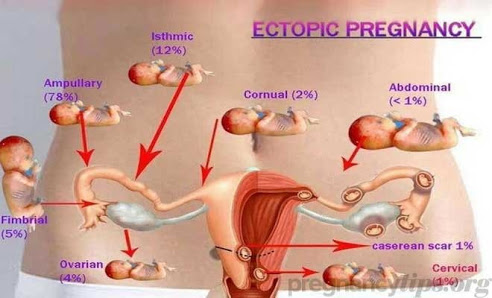
ECTOPIC PREGNANCY :

What Is An Ectopic Pregnancy?

An ectopic pregnancy is a pregnancy that, for some reason, is located outside of the uterus. The vast majority of ectopic pregnancies (98 percent) occur when the egg implants inside the fallopian tube, and are sometimes known as tubal pregnancies.

Other places in the body that ectopic pregnancies occur include the ovary, cervix, and abdominal cavities. Ectopic pregnancies are also pretty common, occurring in about one in every fifty pregnancies.

What Happens If I Have An Ectopic Pregnancy?

Before the 19th century, ectopic pregnancies ended in death of the mother in more than 50 percent of cases. However, with all of the medical technological advancements that we have today, now the mortality rate of ectopic pregnancy is somewhere around five in 10,000.

Unfortunately, there is no way for an embryo to survive outside of the womb, and there is no way for a baby to survive an ectopic pregnancy. For some women, the ectopic pregnancy resolves on it’s own with no need for medical intervention. However, some women need to have a surgical procedure done to remove the ectopic pregnancy with only a small amount of risk to the mother.

Signs and Symptoms of Ectopic Pregnancy

Keep in mind that an ectopic pregnancy usually starts out feeling like a normal pregnancy, with symptoms like bloating, nausea, breast tenderness, and a missed period. However, as time progresses, more signs and symptoms show up to indicate that something is not right with the pregnancy.

Light bleeding or spotting is usually one of the very first symptoms, along with stomach pain or pelvic pain. These symptoms usually start showing up around 6-8 weeks after a missed period. As time goes on, a woman might notice severe vaginal bleeding or stomach/pelvic pain that is worse on one side, and gets worse with movement or straining.

 There will also be pain during sexual intercourse, and there might also be dizziness, lightheadedness, or even fainting caused by internal bleeding. For the most part, the signs of miscarriage are also indicative of the signs of an ectopic pregnancy.

What to Know

If you are experiencing any of these symptoms and think that you might be experiencing an ectopic pregnancy or a miscarriage, get to a doctor or hospital right away. Keep in mind that there are great risks associated with an ectopic pregnancy.

If the fallopian tube ruptures, a woman can experience severe internal bleeding, and that can lead to shock or even death in severe cases. This is why it is so very important to seek medical attention if you think that you might possibly be experiencing an ectopic pregnancy.